What Qvuzynela Does: A Review of Service Functions
An explanation of the specific functions the Qvuzynela system provides — from data review and classification to the guided workflow that leads users through the platform's organised information layers.
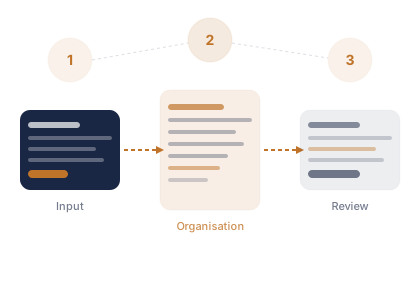
How the Service Works
Qvuzynela follows a consistent three-stage approach to information handling. Each stage is designed to move users from initial input toward a clear, structured review of the information available to them.
Information Is Received
Users provide context through the enquiry form, selecting the type of review they are seeking and describing their purpose. This initial submission gives the platform the information it needs to route the enquiry correctly and prepare relevant structured output for the review stage.
Classification and Organisation
The submitted context is matched against the platform's classification framework. Information is sorted into the relevant categories, structured according to the established information architecture, and prepared for presentation. This stage ensures that what users see during review is organised rather than raw.
Structured Review and Output
Users receive a clear, organised presentation of the information relevant to their enquiry. Output is delivered within the platform's layered interface, with classification labels and contextual markers in place. Users can then review the structured information and decide whether to submit a follow-up request or close the session.
Data Review
The data review function allows users to examine information that has been prepared and classified within the Qvuzynela environment. Rather than navigating raw datasets, users interact with structured representations that surface the most relevant aspects of the information at each point in the review path.
Review sessions are scoped to the category and access level associated with the enquiry. Users do not receive access to categories outside the scope of their submitted request. This ensures that the review function remains purposeful and that the information presented is consistent with the user's stated intent.
- Category-scoped information access
- Structured output with contextual labelling
- Review path adapted to stated purpose
- Consistent formatting across data types
Structured Classification
Classification is at the core of how Qvuzynela operates. Before information is presented to a user, it passes through the platform's classification layer — a framework that assigns each piece of data to a defined category and establishes its relationship to related entries.
The classification framework is not user-configurable in real time. It reflects a predefined information architecture designed to ensure that data is always presented in a consistent, interpretable form. Users benefit from the classification layer without needing to interact with it directly — the structure is built into the presentation of the output itself.
- Predefined classification framework
- Relationship mapping between data categories
- Consistent structure across all review types
- Built-in hierarchy visible in all output panels

Guided Access to Platform Functions
Qvuzynela does not expose all of its functions simultaneously. Instead, the platform presents a guided path that leads users to the relevant section of the information architecture based on their enquiry type and stated purpose.
This guided approach reduces the risk of users arriving at irrelevant information and ensures that the review experience remains coherent at every stage. Users follow a logical sequence through the platform, with each step providing the context needed to make sense of what follows.
- Enquiry-driven access path based on stated purpose
- Sequential presentation of related information categories
- Contextual markers at each step of the review path
- Clear indication of what is available within the current scope
- Support for follow-up enquiries from within the review session
Explore the Full Platform
Read the platform overview for a broader account of Qvuzynela's scope and design principles, or submit an enquiry to begin the access process.